
4.10.2026
6
mins
By
Ben Gleisner
Quick answer: Four parties are promising to help households pay for solar. National and Labour would offer low-interest loans repaid through your rates, and Labour adds a $3,000 subsidy for low and middle-income families. The Greens propose zero-interest loans, and Opportunity low-interest loans for going electric at home. Act says banks already offer interest-free solar loans. None of these schemes exist yet, and the election is on 7 November. Whoever wins, you'll still choose the installer, so get two or three quotes and check the warranties meet EECA's minimums.
What is each party promising on solar?
Every plan starts from the same problem. Solar can pay for itself over time, but the upfront cost stops a lot of households from getting started. The parties differ on how to fix that.
National: the Home Energy Fund
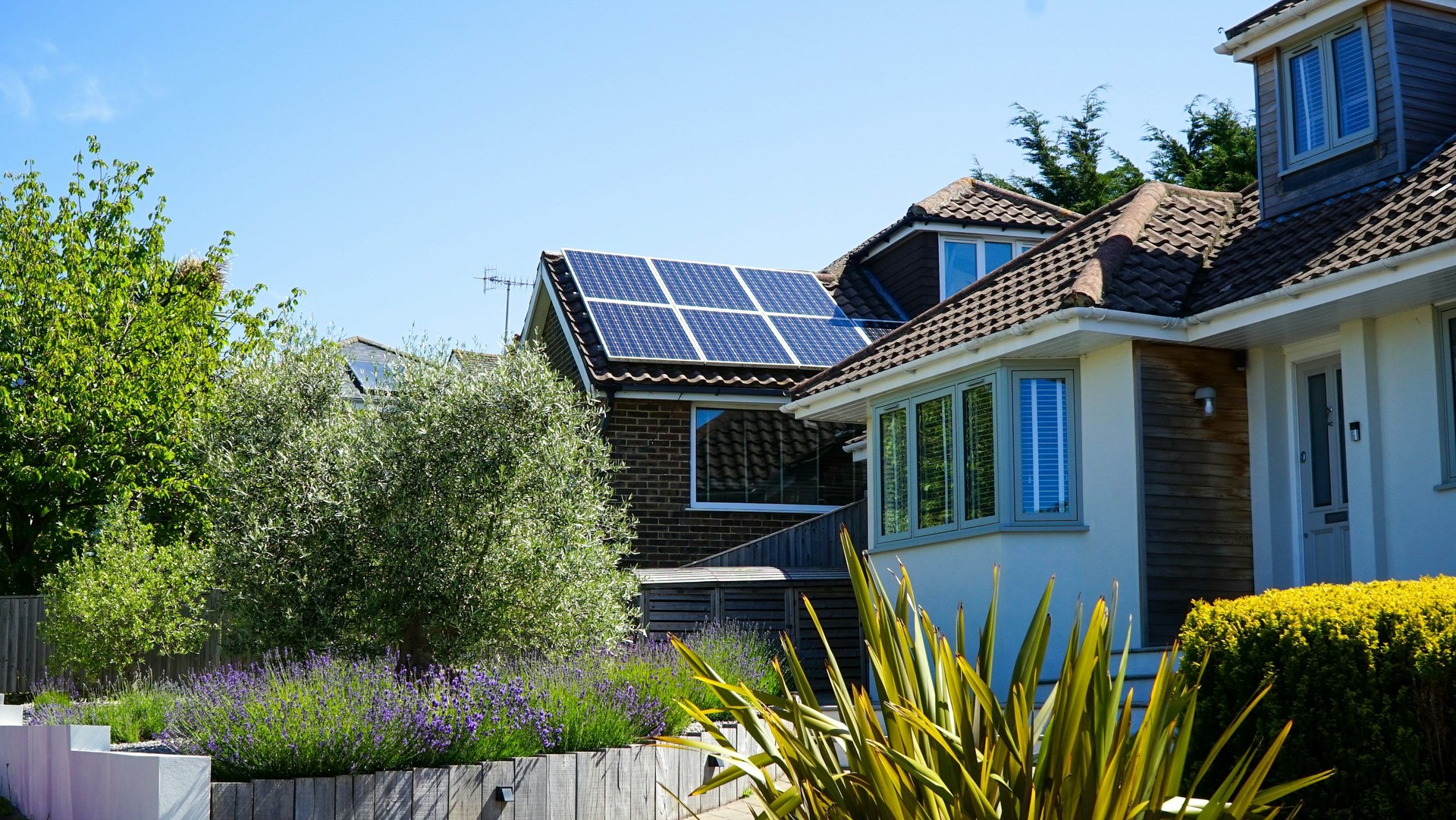
National's Home Energy Fund would pay an approved installer upfront, and you would repay a low-interest loan over ten years, either through a charge on your rates or when you sell the house. It would cover solar and batteries as well as insulation, heat pumps and other electrification. You would need at least 20% equity in your property, and councils would opt in. National would also change planning rules so you can put solar on your roof without a council consent.
Labour: SolarSaver
Labour's SolarSaver has a similar loan repaid through rates, plus loans through lines companies repaid on your power bill. It adds a $3,000 kickstart subsidy for low and middle-income families. Renters could put that subsidy towards plug-in solar, which Labour says needs a law change to make legal. Labour has costed it at $160 million over four years and expects it to be running within 12 months of taking office.
The Greens
The Greens propose a government-backed scheme for zero-interest clean energy loans that up to 90% of homeowners could use. They also want a fair price for the power solar households export to the grid, plug-in solar made legal, and a renters' right to solar.
Opportunity
Opportunity's energy policy includes low-interest loans for going electric at home through a Ratepayer Assistance Scheme, alongside funding for community energy projects and insulation.
What do the plans have in common?
More than you might expect. National, Labour and Opportunity all build on the same idea: a long-term, low-interest loan secured against the property and repaid through rates. Local Government NZ and Rewiring Aotearoa have pushed for it for a while. It suits solar because the repayments are spread over years, and the savings on your power bill can help cover them.
The differences are in who can get one and on what terms: zero interest or low interest, the equity you need, whether renters are included, and whether there's a grant on top. Labour and the Greens would also make plug-in solar legal, which matters most for renters and apartments.
Nobody is arguing about whether solar works in New Zealand. The argument is about how to pay for it. If you want the economics without any government help, we went through EECA's costs and payback in is solar worth it in 2026.
Should you wait for the election?
That's your call, and it depends on your house and your finances. A few things are worth weighing.
These are promises, not schemes you can apply for. Even once a government is formed, each would take time to set up. National's needs a change to the Local Government Act and councils to opt in, and Labour expects about 12 months. Finance is already available: EECA notes that most banks offer home energy loans for solar, and you need a quote before you can apply.
What does not change, whoever wins, is that you'll be choosing the installer. National's fund would pay an approved installer directly, but the quote, the system and the workmanship are still yours to check.
How many quotes should you get?
EECA's advice is two or three, so you can compare the advice as well as the price. Choose installers who come to your home and do an onsite assessment, because roof condition, orientation, shading and your switchboard all change what the right system is.
This is already how most people use Cogo. Of the households who have asked about solar on Cogo since late March, nearly nine in ten sent their request to more than one installer, and about three in four sent it to three or more.
What should a solar quote include?
EECA's checklist exists so you don't get hit with costs after the install. A full quote should cover:
- scaffolding or edge protection, if it's needed
- all the components, including cabling, inverters, controllers, surge protection and the racking the panels sit on
- any roof work
- any consent applications
- all the inspections required
- any network upgrade the distributor needs
- installing an import/export meter
- the battery and its installation, if you're getting one
Ask each installer what assumptions sit behind their savings estimate: the export price, the shading, and how much power you use. Two quotes with different assumptions can look very different for no real reason. EECA's solar payback calculator is a useful cross-check.
What warranties should you expect?
EECA's minimums are:
- 5 years on workmanship
- 10 years on lithium-ion batteries
- 5 years on string inverters
- 10 years on microinverters
- 10 years on the product warranty for panels, and some panels come with a performance warranty as well
Longer is better. If you're weighing up a battery at the same time, we've written about whether you need a battery to make solar worth it.
How do you find an installer, and what happens after?
EECA points to the SEANZ provider directory for solar companies and Master Electricians for registered electricians. Check how long a company has been doing solar, and ask for a reference from a recent customer.
Most installs take one or two days. Afterwards the installer sends you a certificate of completion, and a registered electrical inspector checks the work. If it passes, you get an Electrical Safety Certificate. The cost of that inspection should already be in your quote.
FAQ
Is there a government solar subsidy in New Zealand right now?
Not a national one, as at October 2026. The schemes in this article are election promises. Most banks do offer home energy loans that can be used for solar.
When is the 2026 election?
Election day is Saturday 7 November 2026, and advance voting starts on 26 October.
How many solar quotes should I get?
EECA recommends two or three, ideally from installers who visit your home and assess the roof, shading and switchboard before quoting.
What warranty should solar panels have?
EECA's minimum is a 10-year product warranty on panels. It also sets minimums of 5 years on workmanship, 5 years on string inverters, and 10 years on microinverters and lithium-ion batteries.
See what solar would do for your house
Whatever happens on 7 November, it helps to know what solar could save your household before you start collecting quotes. Run your own numbers with Cogo, and if it stacks up, you can ask installers for quotes from there.
This article is general information only. It is not financial, energy or product advice. What you save depends on your home, your power plan and how you use energy, so get quotes from qualified installers or licensed dealers and seek independent advice for your own situation.
Read More
.png)

Subscribe to our newsletter to keep up to date with the latest news and articles about carbon management.
