
2.11.2026
7
mins
By
Ben Gleisner
Quick answer: For most homes, as big as your roof, your budget and your lines company allow. Extra panels are the cheapest part of a system: on EECA's prices, going from a 5kW system to a 10kW one adds about $8,500, or around $1,700 a kW. Even if you exported everything those extra panels make, at a typical buy-back rate of around 10 cents they'd pay for themselves in about 14 years, on panels warranted for 25. Use more of that power yourself, with a battery, an EV or a heat pump, and the payback drops fast. The limits are your roof, your budget and your lines company's export limit, which is now 10kW by default.
Why do bigger systems usually pay off?
Because each extra kW costs less than the last. EECA's figures for installed systems:
- a 3kW system: about $8,500, or $2,800 a kW
- a 5kW system: about $11,500, or $2,300 a kW
- a 10kW system: about $20,000, or $2,000 a kW
A good part of the cost of a solar install doesn't grow with the number of panels: getting the installer and scaffolding to the house, the paperwork and the connection. So the step from 5kW to 10kW costs about $8,500 for the extra 5kW, or $1,700 a kW.
How much do those extra panels make? In modelling done for EECA, a north-facing system in Auckland, Wellington or Christchurch produces about 1,200 to 1,300kWh a year for every kW of capacity, and an east and west-facing one about 1,050 to 1,100kWh (EECA, Understanding the value of residential solar PV and storage). Call it 1,250kWh, so an extra 5kW makes about 6,250kWh a year.
Now take the worst case, where you export all of it. Retailers pay different buy-back rates: Contact pays 8 cents a kWh, Nova 10 cents and Ecotricity 16 cents off-peak, all excluding GST. At 10 cents, the extra panels earn about $625 a year and pay back in about 14 years. At 16 cents it's about 9 years, and at 8 cents about 17. Solar panels are typically warranted for 25 years, so in every case they pay for themselves with years to spare.
The same EECA work found that putting more panels on an inverter than its rated size gives a significant lift in output for a relatively small increase in cost. In other words, generous panel capacity is one of the cheapest upgrades in a solar install.
How big are New Zealand homes going?
Bigger every year. The average new home solar system was 9.1kW in September 2026, up from 7.7kW a year earlier, on the Electricity Authority's installation data. Over the same year, the share of new solar installs that came with a battery went from 46% to 56%.
We see the same on Cogo. About half the households asking installers about solar through Cogo since March asked about a battery as well, and four in ten households asked about more than one upgrade at once.
What limits how big you can go?
Your roof. Space, direction and shade set the ceiling. North-facing roofs produce the most; east and west-facing roofs produce less but still work.
Your budget. A bigger system costs more up front even if it pays back. EECA notes that most banks now offer low-interest home energy loans for solar.
Your lines company's export limit. This caps how much power your house can send to the grid at any moment. Under new Electricity Authority rules, lines companies must set a default export limit of 10kW for household solar, where their network can handle it. Some streets may get less, and some lines companies offer flexible limits that change with conditions on the network. Ask your installer to confirm your limit before you settle on a size.
The buy-back rate isn't fixed. Retailers can change their buy-back rates; Nova, for example, can change its rate with 30 days' notice. The more of a system's output you export, the more its payback depends on that rate holding up.
How do you make a bigger system pay back faster?
Use more of the power yourself. A unit of solar you use in the house saves you the full retail price, which averaged 39.3 cents a kWh in November 2025 on MBIE's survey of household power prices. That's about four times a 10-cent buy-back rate.
So if you used a third of that extra 6,250kWh yourself and exported the rest at 10 cents, the extra panels would earn about $1,235 a year and pay back in around 7 years instead of 14. The ways to get there:
- Run things in the daytime. Dishwasher, washing machine, and hot water on a timer for the middle of the day.
- Add a battery. It stores daytime solar for the evening, when power costs most. Some retailers also pay more for power exported at peak times: Contact's Good Charge plan pays 25 cents a kWh on weekday peaks, and Ecotricity up to 21 cents with a battery. We covered whether you need a battery separately.
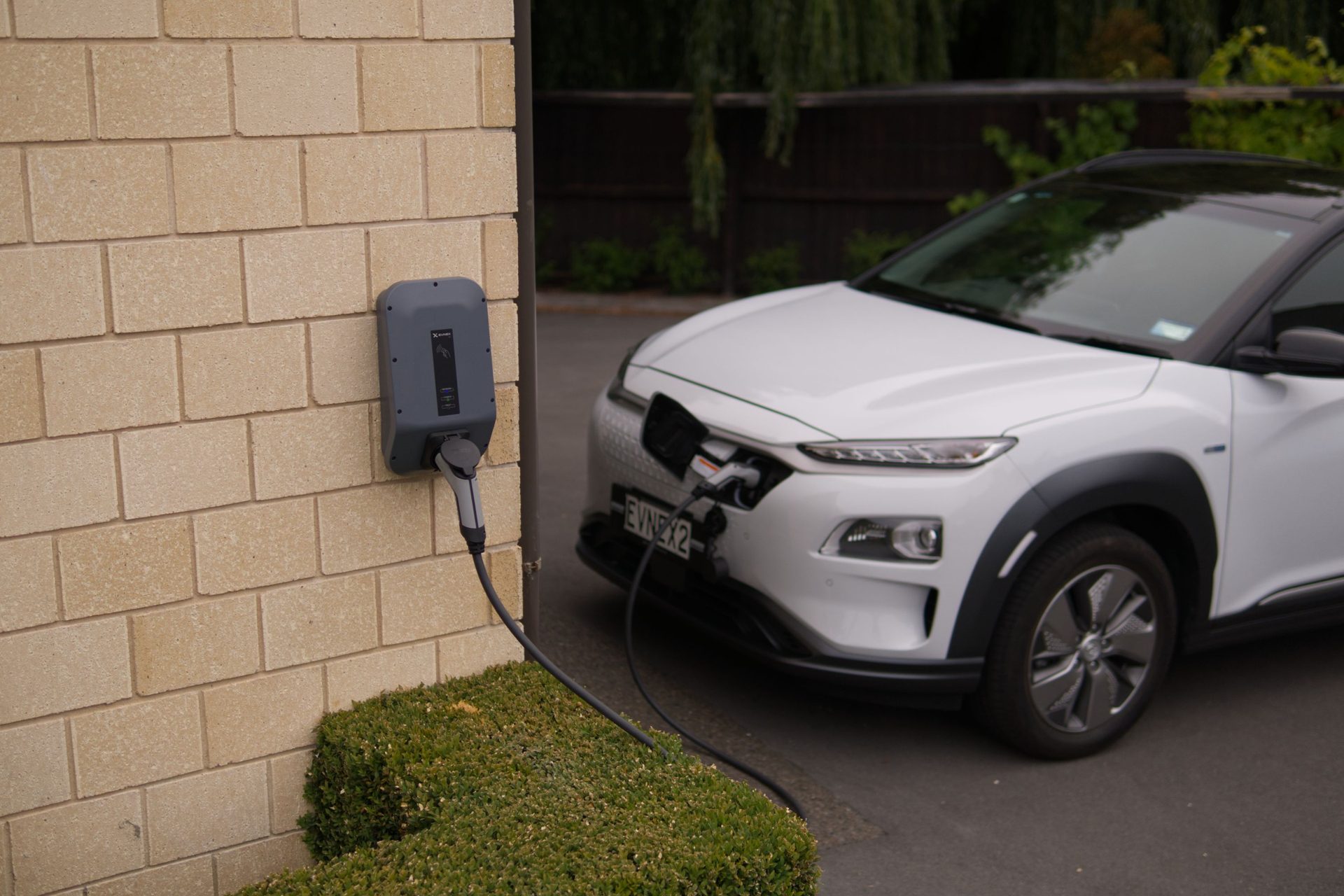
- Charge an EV at home during the day. It's one of the cheapest ways to fill a car.
- Get off gas. A heat pump and a hot water heat pump add electricity use that solar can cover.
If you're planning any of these in the next few years, that's another reason to size up now: adding panels later means paying some of the install costs twice.
When might a smaller system make sense?
If the roof is small or shaded, the budget is tight, or your lines company gives you a low export limit, a smaller system you mostly use yourself can still be a good buy. It also has a quicker payback per dollar, because more of its output replaces power you'd otherwise pay full price for. We went through the payback on a typical system in is solar worth it in NZ.
How do you check a quote's sizing?
Ask each installer three things: what your lines company's export limit is, how much of the output they expect you to use yourself, and why they've chosen that size rather than something bigger. EECA's advice is to get two or three quotes so you can compare the advice as well as the price.
FAQ
What size solar system does the average NZ home get?
The average new home system was 9.1kW in September 2026, up from 7.7kW a year earlier, on Electricity Authority data.
How much does a 10kW solar system cost in NZ?
About $20,000 installed on EECA's figures, against about $11,500 for a 5kW system.
Is a bigger solar system always better?
Usually, within the limits of your roof, your budget and your lines company's export limit. Extra panels cost around $1,700 a kW and still pay back even if you export most of their output. They pay back fastest if you use more of the power yourself.
What is the solar export limit in New Zealand?
Under Electricity Authority rules, lines companies must set a default export limit of 10kW for household solar where the network can handle it. Some connections may get a lower or flexible limit, so check yours with your installer.
See what size suits your home
Every house is different. Run your own numbers with Cogo to see what solar would save your household, and ask installers for quotes from there.
This article is general information only. It is not financial, energy or product advice. What you save depends on your home, your power plan and how you use energy, so get quotes from qualified installers or licensed dealers and seek independent advice for your own situation.
Read More

Subscribe to our newsletter to keep up to date with the latest news and articles about carbon management.
