
28.10.2026
6
mins
By
Ben Gleisner
Quick answer: Not yet for most households. Two-way charging works: in a Genesis trial in Auckland, a BYD Atto 3 ran a family home through the evening peak with almost nothing drawn from the grid. But in New Zealand it is still limited to approved trials. EECA says manufacturer support for new EVs is confined to trials, and only two two-way chargers currently meet New Zealand's requirements. BYD expects all its new models from mid-2027 to support it. In the meantime, charging overnight on an off-peak plan is the saving you can get today.
What is vehicle-to-grid?
Most EV charging only goes one way, from the grid into the car. Two-way charging lets power flow back out again. EECA's vehicle-to-grid report sets out the terms:
- Vehicle-to-grid (V2G): the car sends power back to anywhere connected to the grid, including your home or the wider network.
- Vehicle-to-home (V2H): the car powers your home, without exporting to the grid.
- Vehicle-to-load (V2L): the car powers a device plugged straight into it, like a tool or a camping fridge.
The idea is simple. Charge the car when power is cheap, usually overnight, then use that stored power in the evening when power costs the most and the grid is busiest. And most of the time, the car is sitting in the driveway anyway.
What did the Genesis trial show?
Genesis Energy ran a three-month trial with one of its staff in Auckland, a family of four with a BYD Atto 3 and a StarCharge Halo two-way charger, EVs & Beyond reported. The car was still used for work travel during the trial.
The evenings were the standout. In one three-hour stretch the house used more than 16kWh of electricity, and less than 1kWh of it came from the grid. The car supplied the rest, having charged overnight on cheaper power.
It's one car in one house, so Genesis says average savings can't be measured yet. A second phase is under way with Zeekr, Geely and Polestar models added.
Can you do it at home now?
Not easily. For two-way charging to work, the car, the charger, your power company and your lines company all have to support it, and in New Zealand most of those pieces are still being put in place.
The cars. All new EVs sold here use the CCS2 charging connector. For those, EECA says manufacturer support for V2G is currently limited to approved trials. The models with that trial support are the BYD Atto 3, Polestar, Zeekr, Volvo EX30 and EX90, Geely EX5 and Riddara RD6, and Farizon models. Many other EVs may be technically capable but aren't supported by their makers, which matters for your battery warranty.
Older cars with the CHAdeMO connector, like the Mitsubishi Outlander and Eclipse Cross plug-in hybrids and used Nissan Leafs, already have established V2G capability. The catch, EECA notes, is that no CHAdeMO two-way charger currently meets New Zealand's requirements.
The chargers. Only two two-way chargers meet New Zealand's requirements at the moment, according to EECA: the StarCharge Halo, and the SigenStor EV DC, which only works with Sigenergy home energy systems. Two-way chargers also cost more than standard ones and take a more involved install.
The safety bit. EECA, citing WorkSafe's guidance, says adaptors that convert between charging standards should not be used for two-way charging. They may physically fit, but they can create safety risks and affect your warranty and insurance.
What could it be worth?
A study by Concept Consulting and Retyna, published by the AA Research Foundation, put the value at up to $2,000 per car per year, by charging at cheaper times and exporting at peak times. It also found V2G does not significantly degrade modern EV batteries.
Power companies are starting to test what they'd pay. In a Queenstown Lakes trial, Octopus Energy and Aurora Energy are offering an extra 5 to 20 cents per kWh on top of the standard export rate during peak periods, and an extra 70 cents per kWh in Arrowtown, where the network is under the most pressure at peak times.
Those are trial rates, not offers you can sign up for today.
When will it be mainstream?
Probably not before 2027. EECA's report says several things need to land:
- Cars: BYD has said all its new models from mid-2027 are expected to be V2G capable, with V2G covered by the standard warranty. Other makers are moving to a newer charging communication standard designed for two-way charging.
- Chargers: an update to the standard that covers grid-connected inverters (AS/NZS 4777) is under way, which should open up more charger options.
- Pricing: power companies and lines companies are trialling tariffs that pay for exporting at peak times.
EECA's next report, covering the trial set-up and early customer experience, is expected in late 2026.
What can you do now?
You don't need two-way charging to save with an EV.
- Charge overnight on an off-peak plan. Some power plans offer much cheaper overnight power; Genesis's EVHome plan, for example, has half-price power overnight. It's the simplest saving, and it works with any EV. We worked through what home charging saves against petrol.
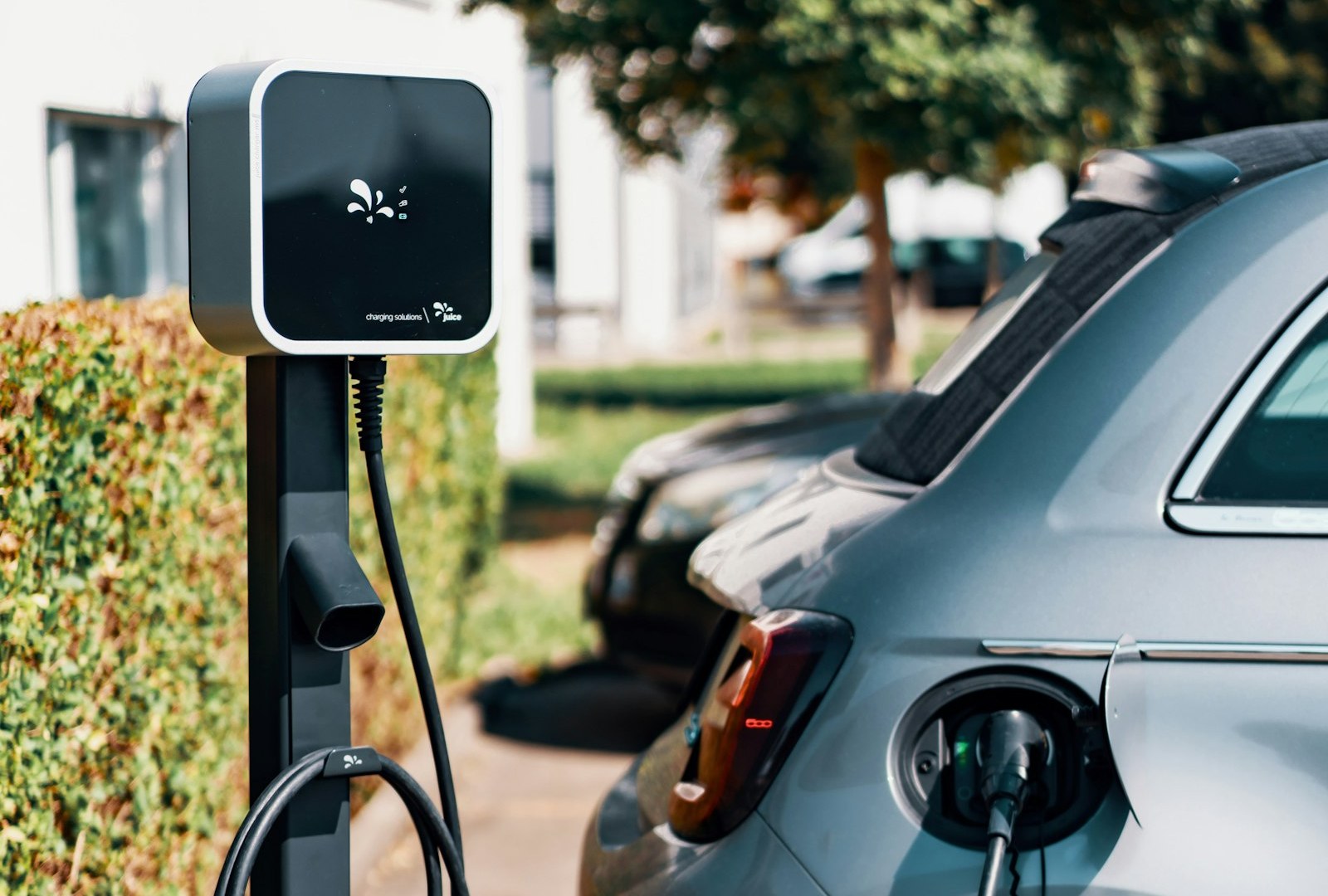
- Get a smart charger. A smart charger lets you schedule charging for the cheap hours, or soak up spare solar during the day. EECA keeps a list of approved smart chargers.
- Add solar if you can. Charging from your own panels during the day is the other way to fill the car with cheap power.
- Ask about V2G when you buy. If two-way charging matters to you, ask the dealer whether the model is supported in New Zealand and whether V2G use is covered by the battery warranty.
Home charging is one of the more common things people ask installers about on Cogo. About one in five households who have asked installers for quotes through Cogo since March asked about an EV charger.
FAQ
Can I power my house from my EV in New Zealand?
Not outside an approved trial, for most people. EECA says manufacturer support for new EVs is limited to trials, and only two two-way chargers currently meet New Zealand's requirements.
Which EVs support vehicle-to-grid in NZ?
For approved trials, EECA lists the BYD Atto 3, Polestar, Zeekr, Volvo EX30 and EX90, Geely EX5, Riddara RD6 and Farizon models. Mitsubishi's Outlander and Eclipse Cross plug-in hybrids and used Nissan Leafs have CHAdeMO V2G capability, but no CHAdeMO two-way charger currently meets New Zealand's requirements.
Does vehicle-to-grid damage the battery?
A New Zealand study by Concept Consulting and Retyna found V2G does not significantly degrade modern EV batteries. Warranty cover is the bigger question: only use V2G where both the car maker and the charger maker support it.
When will vehicle-to-grid be available in NZ?
Probably from 2027. BYD expects all its new models from mid-2027 to be V2G capable, and the standard for grid-connected inverters is being updated.
See what an EV would save you
Every house is different. Run your own numbers with Cogo to see what an EV and home charging could save your household, and ask installers for quotes from there.
This article is general information only. It is not financial, energy or product advice. What you save depends on your home, your power plan and how you use energy, so get quotes from qualified installers or licensed dealers and seek independent advice for your own situation.
Read More


Subscribe to our newsletter to keep up to date with the latest news and articles about carbon management.
