
16.11.2026
8
mins
By
Ben Gleisner
Quick answer: On EECA's typical prices, a medium 5kW solar system with a 10kWh battery costs about $21,500 installed, against about $11,500 for the same panels on their own. A small 3kW system with a 5kWh battery is about $13,500, and a large 10kW system with a 20kWh battery is about $40,000. So the battery roughly doubles the bill, at around $1,000 for each kWh of storage. Whether that second half is worth it comes down to how much power you use after dark and how much you want backup in a power cut.
What does a solar and battery system cost?
EECA's typical costs are a good yardstick, because nobody there is selling you anything. They include standard installation and GST.
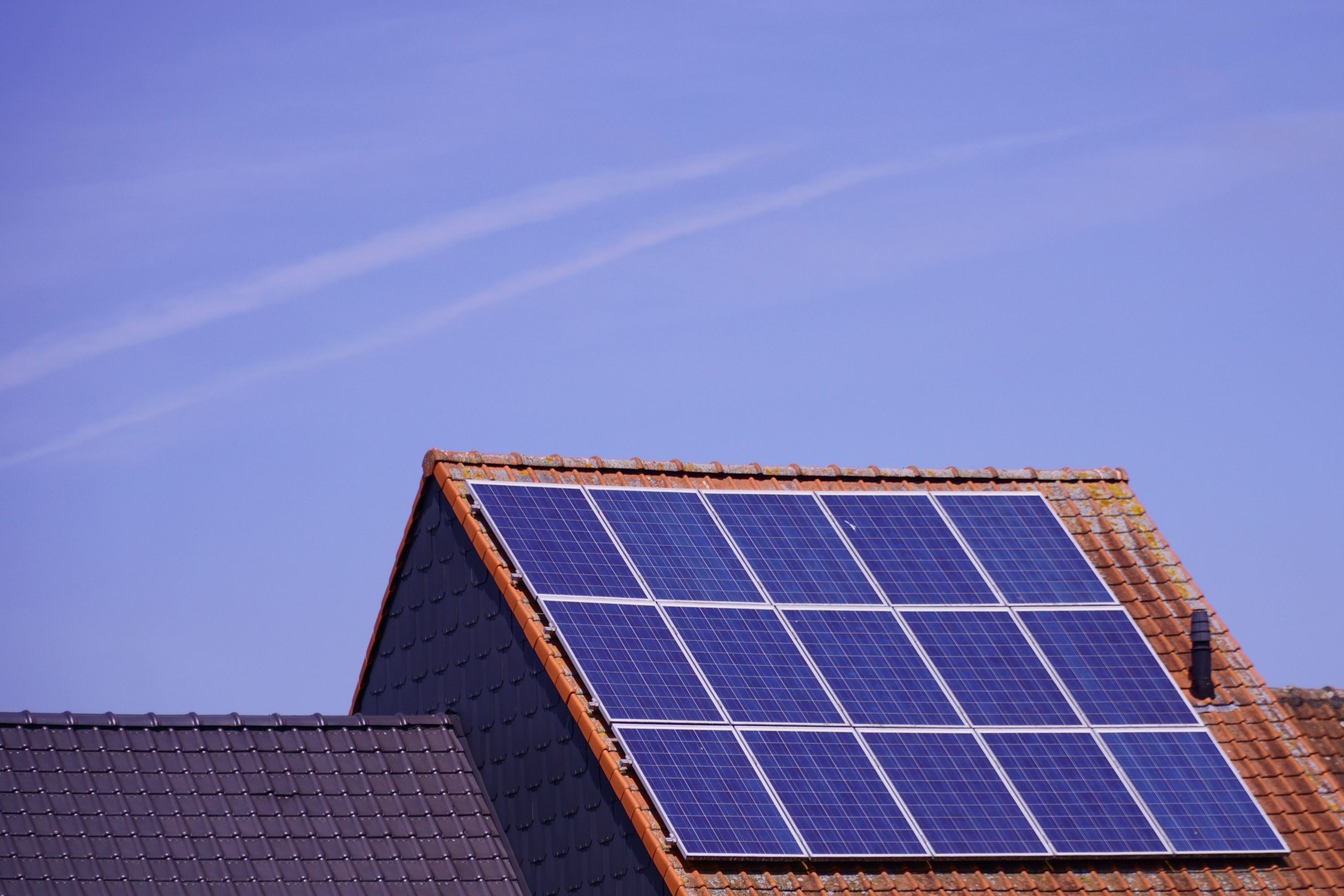
- Small: 7 panels (3kW) with a 5kWh battery is about $13,500. The panels alone are about $8,500.
- Medium: 12 panels (5kW) with a 10kWh battery is about $21,500. The panels alone are about $11,500.
- Large: 24 panels (10kW) with a 20kWh battery is about $40,000. The panels alone are about $20,000.
EECA's range for the battery itself is $5,000 to $15,000, depending on its type and capacity. Consumer NZ's solar guide, updated in March 2026, puts a small battery for a 3kW system at about $5,000.
In each of EECA's packages the battery adds about $1,000 for every kWh it can store. Compare that with the panels. Going from a 5kW system to a 10kW one adds about $8,500, which is why we said in our post on sizing that extra panels are the cheap part of a system. Storage is the dear part.
Treat these as numbers to hold a quote up against. Your roof, your switchboard and the brand of battery will all move the price.
What does the battery do for the money?
A battery doesn't make any power. It moves power from the middle of the day, when the panels are producing, to the evening, when you're home and using it.
That's worth something because of the gap between two prices. A unit of solar you use in the house saves you the full retail price, which averaged 39.3 cents a kWh in November 2025 on MBIE's survey of household power prices. A unit you export earns the buy-back rate, which is typically around 10 cents. So every unit the battery moves from export to your own evening use is worth about 29 cents more to you.
Here's a rough ceiling, using Cogo’s own data. A 10kWh battery filled by the sun and emptied in the house every single day of the year would move 3,650kWh. At 29 cents, that's about $1,070 a year. Real life comes in under that, because winter days won't always fill it and some evenings you won't use it all. Against a price of about $10,000, even the ceiling is a payback of nine or ten years for the battery on its own.
That's why EECA says solar without a battery "will generally give the best returns", and why Consumer NZ says adding one will usually lengthen the payback. Both put the payback on panels alone at 7 to 10 years.
The picture improves on a time-of-use plan, where evening power costs more than the average and some retailers pay more for power exported at peak times. EECA's research on solar and storage, published in June 2025, found time-of-use pricing can further improve returns when a battery is included. The same research found batteries can add to the financial benefits of solar but remain too expensive for many households.
So why are more than half of new solar homes getting one?
Because money isn't the only reason, and because systems are getting bigger.
On the Electricity Authority's installation data, 56% of the home solar systems installed in September 2026 came with a battery, up from 46% a year earlier. September was also a record month, with 962 homes adding solar and a battery together.
We see the same on Cogo. Since March, 52% of the homes asking installers about solar through the Cogo platform have asked about a battery as well.
The average new home system is now 9.1kW, and a system that size can make more power in the middle of the day than many houses use. A battery gives that surplus somewhere to go.
When is the battery worth paying for?
EECA's planning guide says a battery is beneficial when:
- you use a lot of electricity outside daylight hours
- you want backup power during outages, which is particularly useful if you live rurally
- you want to be more self-sufficient and use more of your own solar
- you have a large solar system and want to use as much of its output as you can.
It says a battery is not cost effective when you already use most of your power during the day, your electricity use is fairly low, your solar system is small, or you want the fastest possible payback.
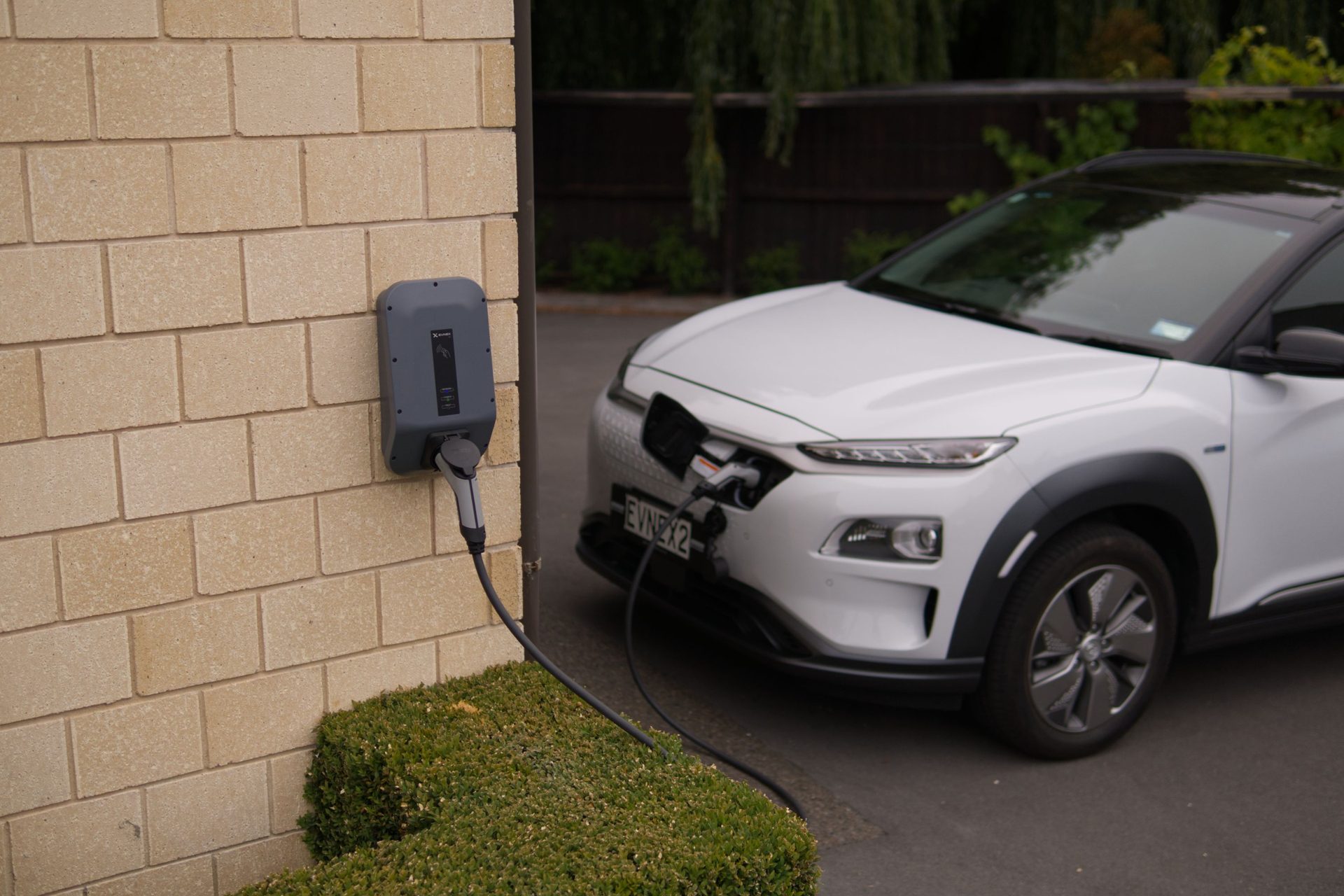
One thing catches people out. Panels on their own won't keep the lights on in a power cut. EECA's guide is clear that solar without a battery will not provide power during an outage, and that for backup you need a battery with enough usable capacity and a backup-capable inverter. If resilience is why you want a battery, tell your installer that up front.
We went through the household types in more detail in do you need a battery to make solar worth it.
Can you add the battery later?
Yes. EECA says batteries can be built in from the start or added later, and that starting without one keeps your upfront cost down while you see what solar does to your power bills. Consumer NZ says it's common for households to start without a battery and work out later whether they'd benefit.
If that's your plan, say so when you ask for quotes. Ask each installer what adding a battery later would involve and what it would cost, so the system you buy now is ready for it.
How do people pay for it?
At $20,000 or more, most people borrow. Some banks offer home loan top-ups for energy upgrades. ASB's Better Homes Top Up, for example, covers solar panels, batteries and inverters, up to $80,000.
Several parties promised government-backed solar loans during the election campaign. None of them is open. The official results aren't due until 27 November, and a new scheme has to be set up after that. We covered what each party promised before the election.
A worked example
Take a family in Tauranga who are out at work and school most of the day. They want a 5kW system and can't decide on the battery.
Panels alone cost about $11,500. EECA's Bay of Plenty figure for what solar saves is $1,368 a year, so the panels pay for themselves in around eight or nine years.
A 10kWh battery takes the price to about $21,500. Because the house is empty in the daytime, most of what the panels make would otherwise be exported, so the battery has plenty to work with. On the ceiling above it adds up to about $1,070 a year. Call it $2,400 a year at the very best across the whole system, and a payback of around nine years.
So for this family the battery roughly pays its way, without much room for error. It also means their evenings run on their own power and, with the right inverter, the lights stay on in a cut. If someone were home all day using the solar as it's made, the battery would have much less to do, and panels first would be the better buy.
FAQ
How much does a home battery cost in NZ?
EECA's typical range is $5,000 to $15,000 on top of the solar system, depending on the battery's type and capacity. In EECA's package prices that works out at about $1,000 for each kWh of storage.
How much is a 5kW solar system with a battery?
About $21,500 installed with a 10kWh battery, on EECA's typical prices. The same 5kW system without a battery is about $11,500.
Does a solar battery pay for itself?
It can, but more slowly than the panels do. EECA and Consumer NZ both say a battery usually lengthens the payback period. It does best in homes that use most of their power in the evening or are on a time-of-use plan.
Will solar panels work in a power cut?
Not on their own. EECA says solar without a battery will not provide power during an outage. You need a battery with enough usable capacity and a backup-capable inverter.
Can I add a battery to solar later?
Yes. EECA says batteries can be built in from the start or added later, and starting without one keeps your upfront cost down.
See what it would do for your house
Every house is different. Run your own numbers with Cogo to see what solar, with or without a battery, could save your household, and ask installers for quotes from there.
This article is general information only. It is not financial, energy or product advice. What you save depends on your home, your power plan and how you use energy, so get quotes from qualified installers or licensed dealers and seek independent advice for your own situation.
Read More


Subscribe to our newsletter to keep up to date with the latest news and articles about carbon management.
