
24.8.2026
6
mins
By
Ewan Briggs
Quick answer: Across the New Zealand households using Cogo, our estimates show that the average home could save around $3,000 a year off its power bill by making the electric upgrades they are already considering. That figure is the house alone. It does not include additional savings from fuel by switching to an EV, which sits on top. The average is drawn from more than 43,000 New Zealand homes on the Cogo platform.
Where do the savings come from?
Nobody saves three grand by just changing a few lightbulbs. It comes from stacking a few key upgrades that each take chunks out of your energy bills.
Space heating is the one people feel. Consumer NZ found that 41% of New Zealanders have gone without heating to save money, which tells you plenty about what it costs to run. A modern heat pump is several times more efficient than any other heating system.
The second biggest energy user for most households is hot water. It runs every day of the year; it does not care whether anyone is home, and an old resistive cylinder is the least efficient way to do it. A hot water heat pump does the same job using a fraction of the power.
Cooking is smaller but not nothing, and many are learning that induction is genuinely nicer to cook on, which is the sort of upgrade you enjoy every day rather than just when you check your bills.
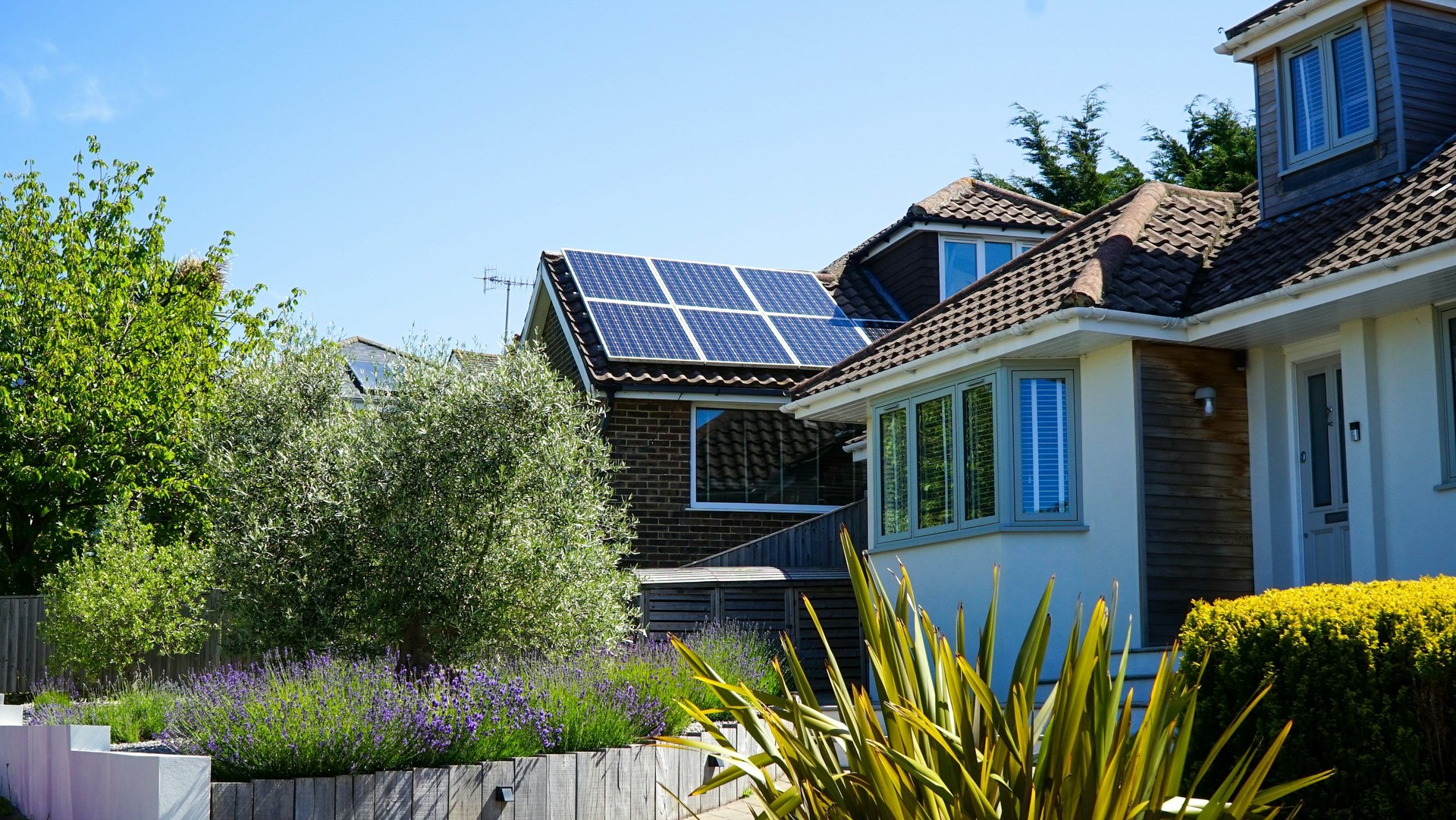
These upgrades reduce the amount of energy you need to run your home. Then add solar, if your roof suits it, to change the maths even more in your favour, because it further reduces the amount of energy you need to buy. Winning!
What about the car?
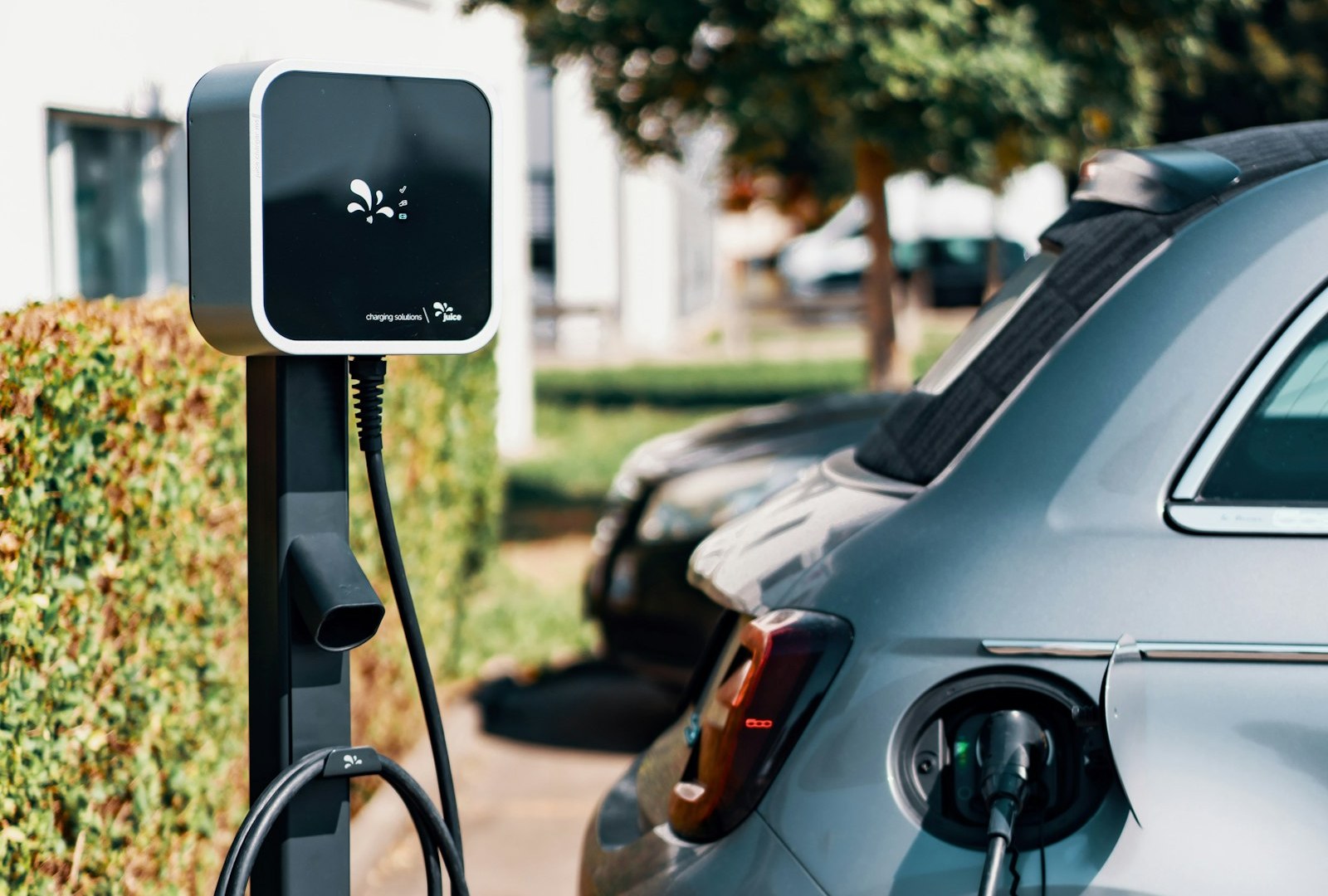
The $3,000 saving is a power bill number. Fuel is a separate budget line, and for a household with a petrol car doing average kilometres it is usually the biggest single saving available. Petrol is currently sitting around $3 a litre (but has recently been up to about $3.30), while charging at home costs about half that ($1.50/l equivalent including RUCS).
So if you have a petrol car in the driveway, the honest version is: around $3,000 off the power bill, and the car on top of that. We ran the numbers on the vehicle side in an earlier post if you want the detail.
What should you do first?
The honest answer is whatever your house is currently doing worst.
That sounds like a dodge, but it is the whole point. A 1960s place with an electric cylinder in the cupboard and a gas heater has a very different first move than a well-insulated new build with a heat pump already on the wall. Advice that suits one is wasted on the other.
As a rule of thumb, start with the heating machines that have the longest runtime. Hot water runs all year. Heating runs all winter. Cooking runs for an hour a day. The constant loads are where the biggest opportunities are.
We can also tell you what other New Zealanders are looking at. Of the upgrades homeowners have asked us to quote, solar is the most requested at about 41%, hot water is second at 27%, and space heating third at 21%.
Does it have to be all at once?
No, and it usually isn't.
Going all-electric sounds like one decision with one price tag. In practice, most households get there over several years, usually when something breaks. The old cylinder finally goes, and instead of replacing it like for like, you upgrade to a heat pump. The car needs replacing anyway, so the next one is electric.
The trick is knowing what you want the end state to be, so that when the cylinder dies at 6 am on a Sunday you are not making a ten-year decision in a panic with whatever the plumber has on the van.
What about the upfront cost?
It is real, and pretending otherwise helps nobody.
A hot water heat pump costs more to buy than a like-for-like cylinder swap. Solar is a five-figure decision for most homes. The savings are genuine, but they arrive monthly, not on day one.
Two things worth knowing. Several banks now offer low-rate or zero-interest green lending for exactly these upgrades. And payback varies by upgrade: some pay for themselves in a few years, and some are a long game you do because you want a warmer house. Making careful choices about your upgrades and finance can often have you in net savings from day one, i.e. your savings more than cover your repayments.
A worked example
Take a three-bedroom Wellington home with four people, an electric resistive cylinder, a plug-in heater in the lounge and gas cooking.
Swapping the cylinder for a hot water heat pump, putting a heat pump in the main living area and moving to induction is the kind of combination that lands a household in the range above. The hot water is the quiet earner, the heating is the one they actually feel in July, and the cooking is the one they enjoy.
If they also replace the petrol hatchback with a used EV at some point, even more savings.
Run your own numbers rather than borrowing someone else's. A house is a specific thing.
Frequently asked questions
Is around $3,000 a year a guarantee?
No. It is an average estimate of what the households using Cogo could save based on the upgrades they are considering and their own energy use. It is drawn from more than 43,000 New Zealand homes on the platform. Your house, your habits and your power plan will move it up or down.
Does that include petrol savings from an EV?
No. It is the power bill only. Fuel savings from switching a car are separate and sit on top.
Do I need solar to make this work?
No. Solar improves the maths, but most of the saving comes from replacing inefficient appliances with efficient ones. Plenty of households do well without a panel on the roof.
Is it worth doing if I might move?
Heat pumps and solar tend to be looked on well by buyers, and a warmer, cheaper-to-run home is easier to sell.
How do I find out what my house needs?
That is what Cogo's free tool does. It asks about your home and your energy use, then shows what each upgrade would save you, what it costs, and who can do the work.
Run your own numbers
None of the above beats doing it for your own place. The Cogo platform takes your home and shows what each upgrade would mean for your bills, then points you at vetted installers if you want to go further.
This article is general information only. It is not financial, energy or product advice. What you save depends on your home, your power plan and how you use energy, so get quotes from qualified installers or licensed dealers and seek independent advice for your own situation.
Read More

.png)

Subscribe to our newsletter to keep up to date with the latest news and articles about carbon management.
