
20.7.2026
4
mins
By
Ben Gleisner
Quick answer: For most NZ households, yes. Even now that EVs pay road user charges, charging at home costs the equivalent of about $1.60 a litre (EECA), while petrol prices this winter have been around $2.61 up to a peak of $3.50. And you don't need a new car to get those savings: every one of the 10 EVs most often chosen by Cogo users is second-hand.
Didn't road user charges kill the EV advantage?
No. They narrowed it, but it's still wide.
Light electric vehicles now pay road user charges (RUC) at $76 per 1,000 km, the same rate as light diesels; plug-in hybrids pay $38 per 1,000 km (NZTA). For a household driving 12,000 km a year, that's about $912. Real money, and it's fair to count it.
Here's the thing though: EECA's comparison already does. Their current estimate is that an EV charged at home costs the equivalent of $1.60 per litre to "fill up", including road user charges (EECA).
Meanwhile, petrol prices spiked through the June quarter, from around $2.61 a litre in April to a peak of $3.50 (NZCity, 3 Jul 2026). Kiwis noticed: fully electric vehicle registrations were up 19% year on year in the quarter.
How much would a typical household actually save?
Let's run honest numbers for a typical NZ household:
- Driving: 12,000 km a year
- Petrol car: 8 L/100 km → about 960 litres a year
- Petrol at $2.80/L (between April's $2.61 and the winter peak): ≈ $2,690 a year
- EV charged at home, at EECA's $1.60/L equivalent (RUC included): 960 "litre-equivalents" → ≈ $1,540 a year
That's roughly $1,150 a year back in your pocket at mid-range petrol prices, and closer to $1,800 if petrol sits nearer that $3.50 peak. Charge overnight on a low off-peak rate and you'll do even better again; if you rely on public fast-charging you'll save less and the gap narrows. Servicing costs (no oil changes, less brake wear) are on top of that, though they vary too much by car for us to give a good estimate here.
Which EVs are Kiwis actually choosing?
This is where our own data gets interesting. On Cogo (the platform NZ households use through their bank or energy retailer to plan home and vehicle upgrades) every single one of the 10 most-saved EVs is second-hand (Cogo platform data, 14 Jul 2026).
The used BYD Atto 3 tops the list on both of the largest channels, ahead of the used Tesla Model Y, Hyundai Kona, Hyundai IONIQ 5, and a healthy spread of Nissan Leafs. More than 5,000 Kiwis have now sized up an EV switch using Cogo's vehicle tool.
That pattern matters. The new-EV headlines (260 models now on sale in NZ, market share swings, policy debates: Drive Electric 2026 State of the Nation, via EVs & Beyond) describe a market most households never shop in. The real electrification of NZ driving is happening on the used market, where the entry price is a fraction of a new EV's and the running-cost maths above still applies in full.
What about the battery health in a used EV?
The honest answer: it's the right question to ask, and it's manageable.
Battery state-of-health reports are now standard practice when buying a used EV in NZ: reputable dealers provide them, and independent testing is widely available. A used EV with a strong battery report and a service history is very different than a mystery trade-in. If you're comparing a specific car, ask for the state-of-health percentage and factor the remaining battery warranty (where one applies) into the price you're willing to pay.
Where do you start?
- Check your driving. Under ~30 km a day, almost any used EV on the list above covers you with room to spare.
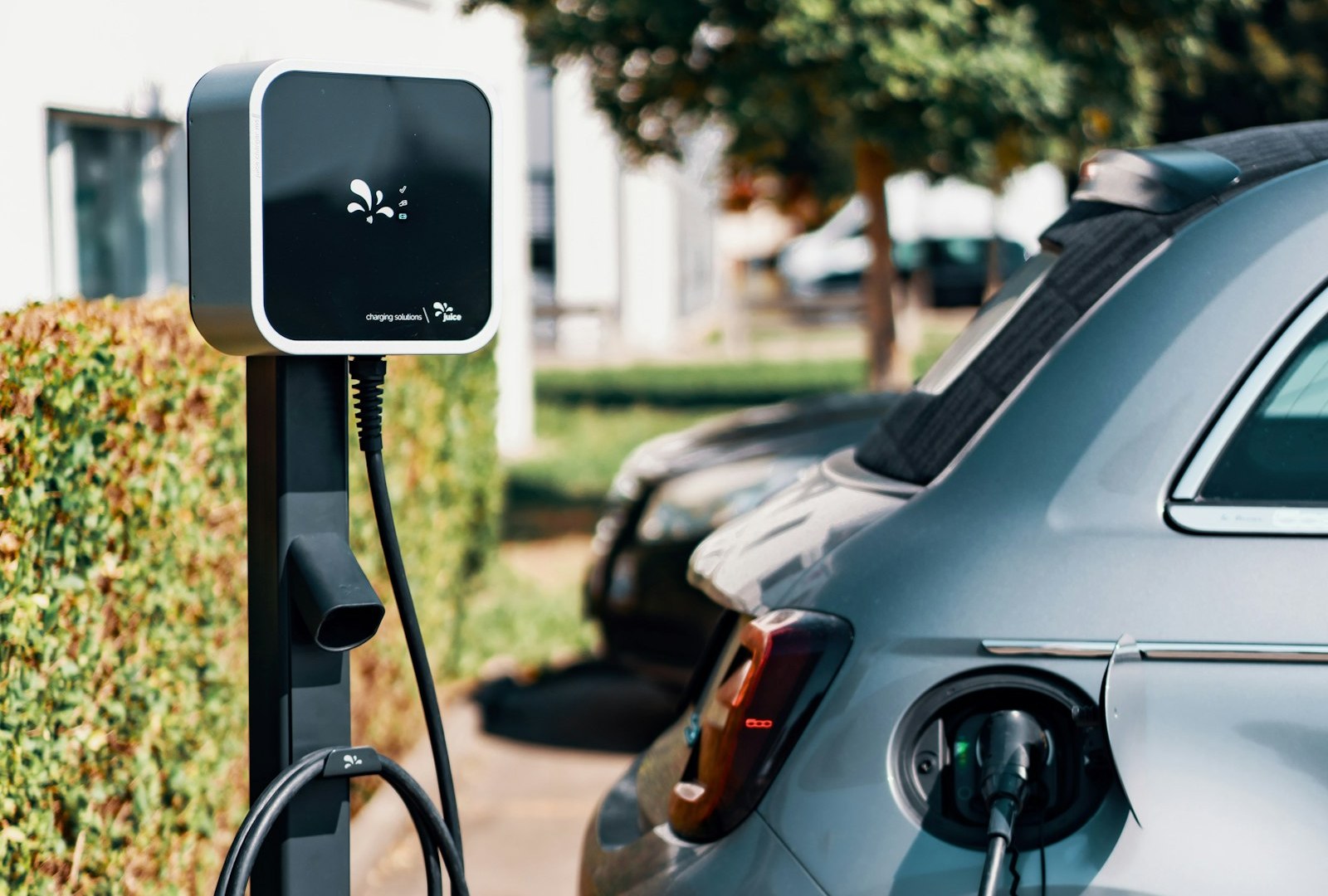
- Explore your charging options. A regular power socket does the job for most; a dedicated EV charger makes it even more effortless and efficient (scheduled charging, automatic use of excess solar, and more).
- Run your own numbers. Your kilometres, your power plan, your car. Not national averages.
That last one is what Cogo is for. Run your own numbers on Cogo's free electrification tool: compare an EV switch against your actual driving and see what it does to your household's costs and emissions. It's the same tool those 5,000+ Kiwis used.
FAQ
How much are road user charges for an EV in NZ?
Light battery EVs pay $76 per 1,000 km; plug-in hybrids pay $38 per 1,000 km (NZTA). At 12,000 km a year, that's about $912 for a full EV.
Is charging an EV at home really cheaper than petrol?
Yes. EECA estimates home charging costs the equivalent of about $1.60 a litre, including road user charges, against petrol that ranged from $2.61 to $3.50 this winter.
What's the most popular EV among Cogo users?
The second-hand BYD Atto 3. It's the most saved by Cogo users in NZ, ahead of used Tesla, Hyundai and Nissan models (Cogo platform data, July 2026).
Are second-hand EV batteries reliable?
Battery health varies by car, so get a state-of-health report before you buy; they're standard practice in NZ now. A strong report plus any remaining battery warranty takes most of the risk out of the purchase.
How many EVs are on NZ roads?
About 138,600 light EVs as of the Drive Electric 2026 State of the Nation report (May 2026).
This article is general information only. It is not financial, energy or product advice. What you save depends on your home, your power plan and how you use energy, so get quotes from qualified installers or licensed dealers and seek independent advice for your own situation.
Read More

.png)


Subscribe to our newsletter to keep up to date with the latest news and articles about carbon management.
