
20.7.2026
6
mins
By
Ben Gleisner
Quick answer: Electrifying your home in New Zealand means replacing fossil-fuel appliances and vehicles with efficient electric alternatives — typically a heat pump for heating, a heat-pump hot water system, an induction cooktop, rooftop solar (often with a battery), and an EV. Most Kiwi households that fully electrify save around $4,200 a year on energy and fuel bills, and cut their household carbon footprint by about 40%. You don't have to do it all at once: start with the upgrades that pay back fastest, and replace the rest as appliances reach end of life.
What does "electrifying your home" actually mean?
Home electrification is the switch from burning fossil fuels — gas heating, gas hot water, gas cooking, and petrol or diesel cars — to efficient electric alternatives powered by New Zealand's electricity grid, which already runs on 85%+ renewable energy. Because electric appliances like heat pumps are three to four times more efficient than the systems they replace, the switch usually lowers your total energy bills, not just your emissions.
Which upgrades should I do first?
The best order depends on your home, but for most NZ households the sequence looks like this:
- Start with what's cheap and fast: LED lighting, hot water cylinder wrap, and draught-stopping.
- Heat pump for space heating: the workhorse of NZ electrification — far cheaper to run than plug-in electric, gas, or wood heating.
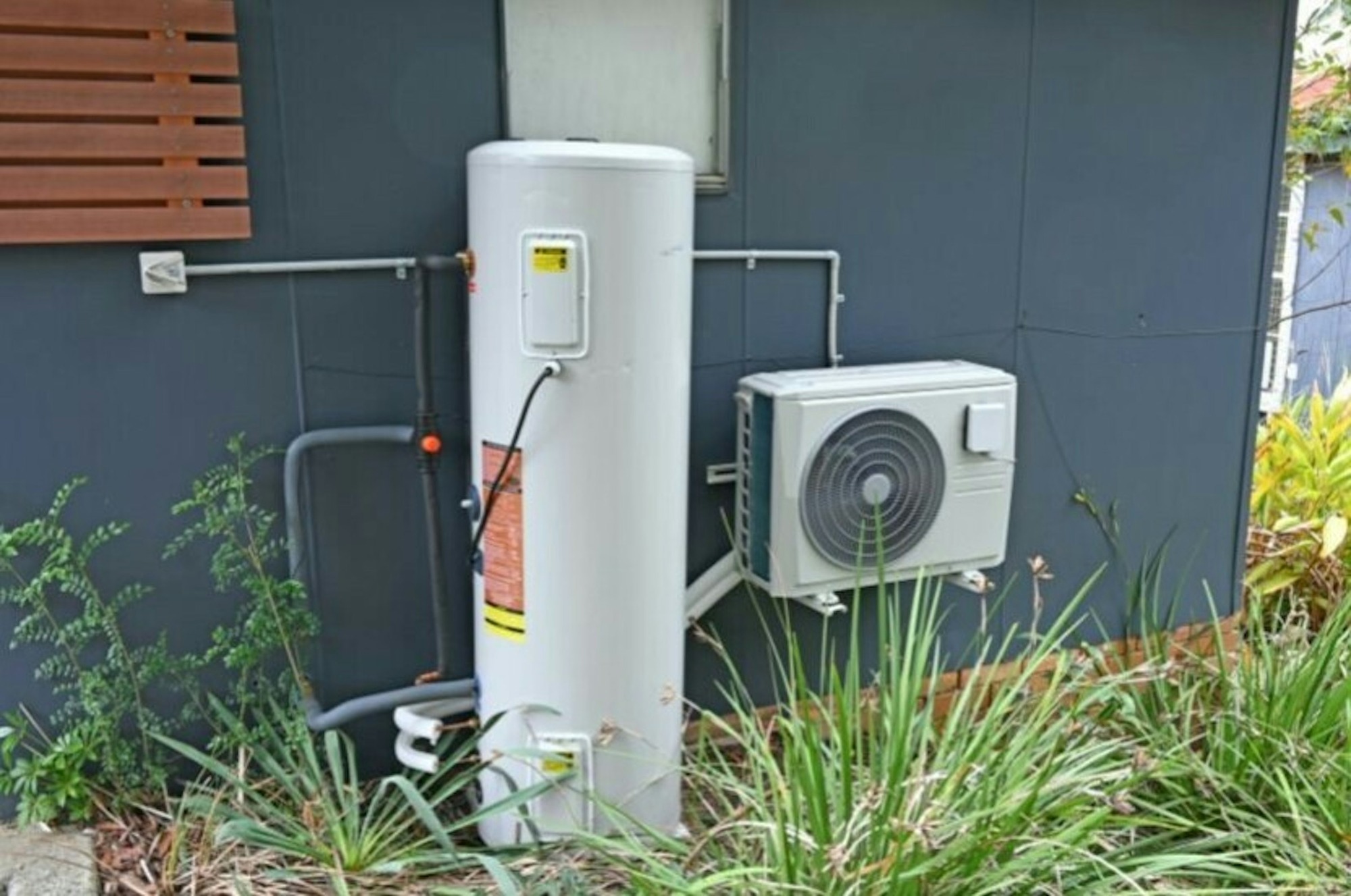
- Hot water: when your gas or resistive-electric cylinder needs replacing, switch to a heat-pump hot water system.
- Rooftop solar (and a battery if it suits your usage): generate your own power and cut your bills further.
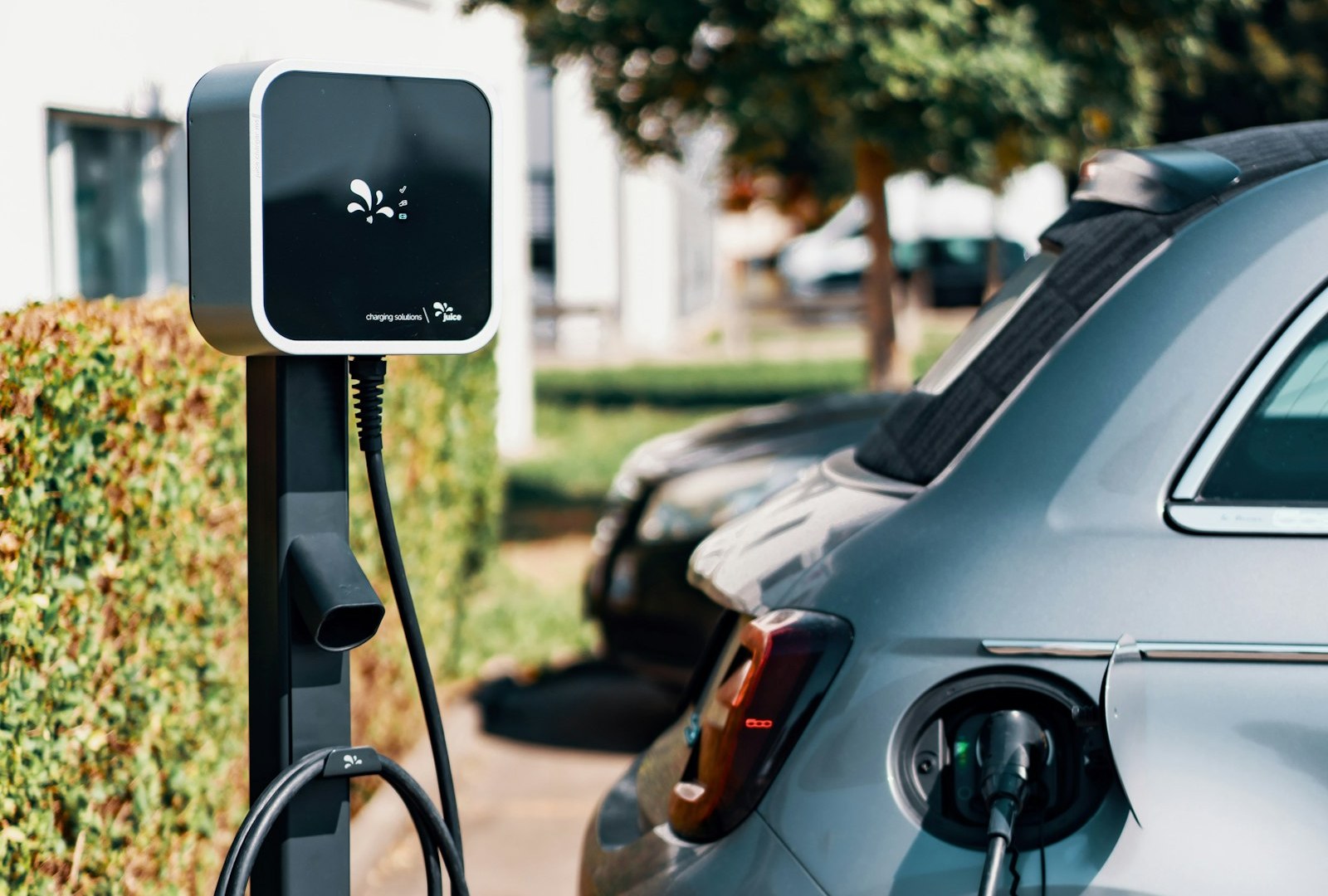
- EV or plug-in hybrid: fuel savings are usually the single biggest line item — charging at home costs the equivalent of paying well under $1/litre.
- Induction cooking: usually last, when the old cooktop dies — and it lets you disconnect gas entirely and stop paying the fixed connection charge.
How much does it cost — and how much will I save?
A full electrification of an average NZ home is a five-figure investment spread over several years, but each upgrade stands on its own: a heat pump typically pays for itself in a few years, and an EV charged at home saves thousands per year versus petrol. Data from Cogo's 70,000+ NZ users shows an average saving of around $4,200 per year for households that make the key switches. Green loans from major banks — often at 0% or heavily discounted rates — can cover the upfront cost, so the savings start from day one.
Where do I start?
The easiest first step is to get a tailored plan for your specific home. Cogo's free electrification tool asks a few questions about your house and vehicles, shows which upgrades will save you the most, builds a personalised guidebook, and connects you with quotes from 180+ trusted local installers — so you can compare options without ringing around. You can also talk to Cogo's energy experts in the app if you want a human sense-check before you commit.
Frequently asked questions
Is NZ's grid clean enough for electrification to matter?
Yes. New Zealand's electricity is already 85%+ renewable (hydro, geothermal, wind), so every switch from petrol or gas to electric cuts emissions immediately — and the grid keeps getting cleaner.
Do I need solar before getting a heat pump or EV?
No. Heat pumps and EVs save money on grid electricity alone. Solar simply increases the savings if your roof and usage suit it.
What help is available with the upfront cost?
Several NZ banks offer discounted or 0% green loans for electrification upgrades, and Cogo's platform shows the financing options available to you alongside each upgrade's payback time.
Ready to see your own numbers? Get your free personalised electrification plan →
Read More

.png)
Subscribe to our newsletter to keep up to date with the latest news and articles about carbon management.
